


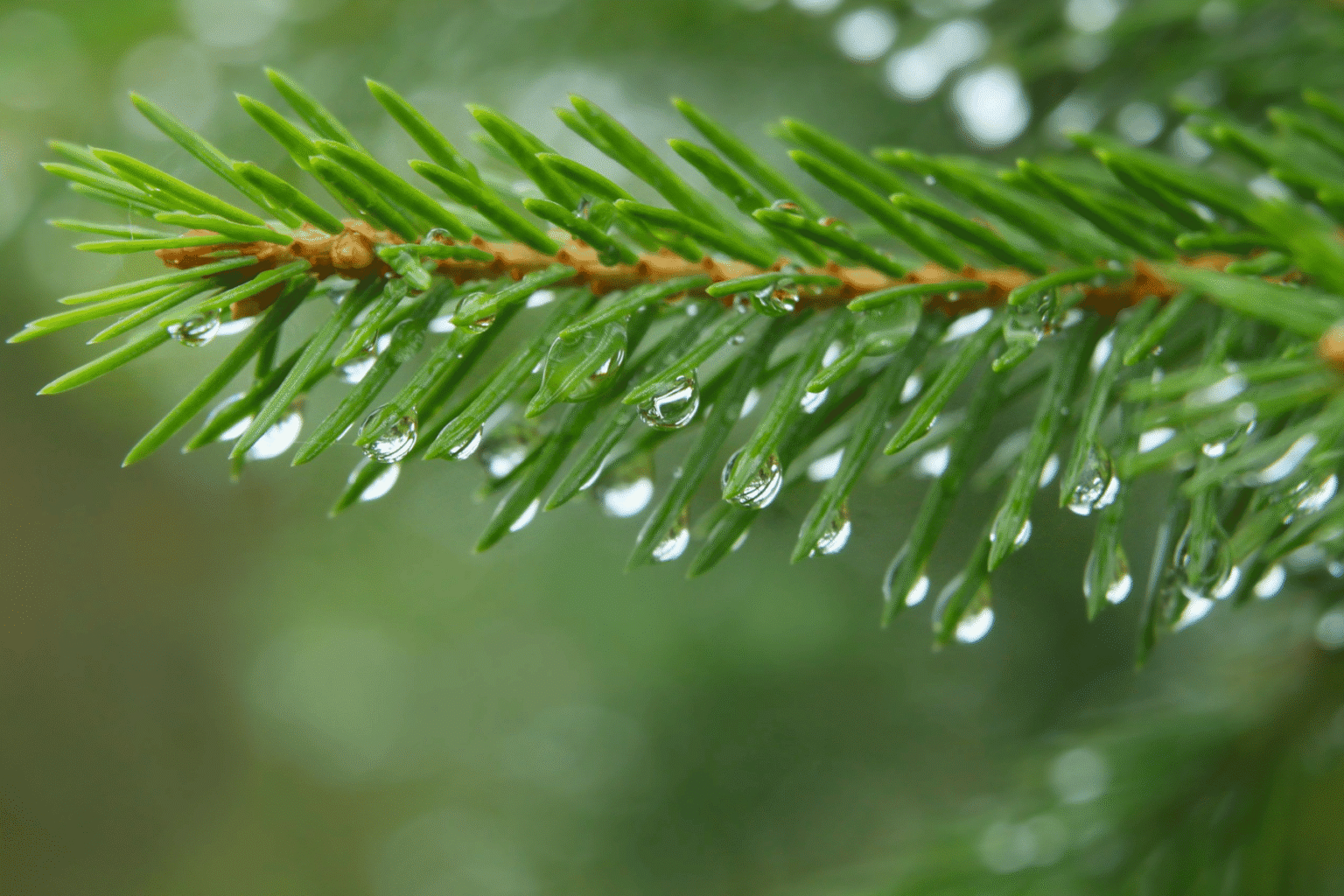
By the time you’re ready to put the hose away for winter, watering probably feels like a job you’ve already finished. The annuals are out, the perennials are winding down, and you’re ready to stop untangling that thing for a few months.
Before you do, take a look at your evergreens.
The arborvitae screening the patio, the pine you see from the kitchen window, and the shrubs keeping a little green around the front door are heading into winter with their foliage still attached. If fall has been dry, it’s worth checking whether the soil around their roots is dry, too.
That doesn’t mean dragging the hose back out just because we mentioned it. If the soil is already moist, you may be able to cross this one off. But if it’s dry, a thorough watering before the ground freezes can help your trees and shrubs head into winter with moisture available around their roots.
A quick check now helps you decide whether there’s anything to do at all. Let’s look at why that matters, what MU has been finding in Missouri evergreens, and how to tell whether yours need a drink.
What MU Found About Evergreen Browning in Missouri
When an evergreen starts browning, it’s natural to wonder what’s attacking it. An insect? A disease? Something making its way down the whole row?
Sometimes the trouble starts with the weather.
In its 2026 semiannual report, the University of Missouri Plant Diagnostic Clinic reported twice as many submissions involving arborvitae, white pine, spruce, and cedar as in previous years. Most cases involving dieback and needle-blight symptoms were linked mainly to environmental stress, rather than insects or disease. The report pointed to Missouri’s exceptionally dry winter in 2025, followed by sharp temperature swings in early spring.
A dry winter can leave evergreens stressed, and that stress can make it easier for insects and disease to cause trouble later. What you see on the branches may reflect more than one problem.
That doesn’t mean every browning evergreen has drought damage. MU’s findings came from plants sent to the clinic for help. For your own plants, the takeaway is to look before you treat.
Start with the soil. Is it dry, moist, or staying soggy? That check helps you decide whether watering would help or whether you need to look further.
Why Do Evergreens Need Moisture Before the Ground Freezes?
Your evergreens may look like they’re taking the winter off, but they’re still losing moisture through their foliage. Winter wind and sun can increase that loss, while frozen soil makes it harder for roots to replace the water. Even leafless trees and shrubs can dry out in winter. Their branches and trunks still lose some moisture.
That’s why we want adequate moisture around the roots before the ground freezes. Rain can do that job. When it hasn’t, watering can help make up the difference. The goal is moist soil, not a soggy bed.
Do Your Evergreens Need Water? Check the Soil
Look at the soil, not just the calendar. A dry October and a rainy November call for different decisions, even in the same yard.
MU Extension recommends watering trees and shrubs well before the soil freezes if fall has been dry. The goal is to head into winter with adequate moisture around the roots, not to water because it’s your usual Saturday routine.
Pull the mulch back and use a trowel or soil probe to check about 6–8 inches down, working carefully around roots. Is the soil dry, moist, or soggy? That tells you more than a glance at the surface. For recently planted evergreens, check the original root ball, too, not just the soil beside it.
- If the soil is dry: Water thoroughly while the ground is still unfrozen.
- If it’s already moist: Hold off. Your plants don’t need extra water just because you have the hose out.
- If it’s soggy or water lingers: More water isn’t the answer. Poor drainage can be especially hard on woody plants in winter.
Give recently planted evergreens a little extra attention when you check, along with plants in exposed spots. But don’t assume the whole row or every bed needs the same treatment. Soil, drainage, and recent rainfall can make conditions different from one part of the yard to another.
A thirsty plant and one sitting in wet soil can both look unhappy. Checking first helps you avoid giving them the same fix.
If browning is spreading or whole branches are dying, don’t assume more water will fix it. A qualified arborist or the MU Plant Diagnostic Clinic can help figure out what’s happening.
How to Water Evergreens Before Winter
No elaborate routine needed. If the soil is dry and the ground is still unfrozen:
- Water the soil around the roots. Use a hose at a gentle flow or a soaker hose to let water soak in slowly rather than run off.
- Check beneath the surface. You want moisture reaching the root area, not just wet mulch. Pause if water puddles or runs off, and don’t keep adding water to saturated soil.
- Check again if dry weather continues. There’s no fixed number of minutes or gallons that fits every plant and soil. If winter stays dry, check again during a mild stretch when the ground has thawed. If the soil is dry then, your evergreens may need another slow watering. If it’s moist, leave them be.
If rain has already left the soil moist, you can leave the hose alone. The water doesn’t have to come from you. It just needs to be available to the roots before winter makes it harder to reach.
Before You Put the Hose Away
Those evergreens do a lot for your yard, from giving the patio a little privacy to keeping something green outside the window in January. Taking a moment to check on them is a simple way to care for a part of the landscape you enjoy all year.
And if the rain has already done the watering? Coil up the hose and call that one handled.