



By now, you’ve probably heard the advice to “leave the leaves” echoing through every eco-gardening feed this fall. But creating true wildlife habitats in your Missouri winter garden takes more than just leaf piles. This movement is an essential step in supporting pollinators and biodiversity, but it’s just one part, maybe not even the biggest part, of building sustainable habitats in your landscape. Let’s dig deeper and answer the questions even plant pros are asking.
Where Do Pollinators Really Go in Winter?
You might be surprised: only about 7% of local butterfly and moth species and 3% of beetles and fireflies spend the winter directly in leaf litter. If that number has you thinking, “So why all the fuss?” you’re not alone.
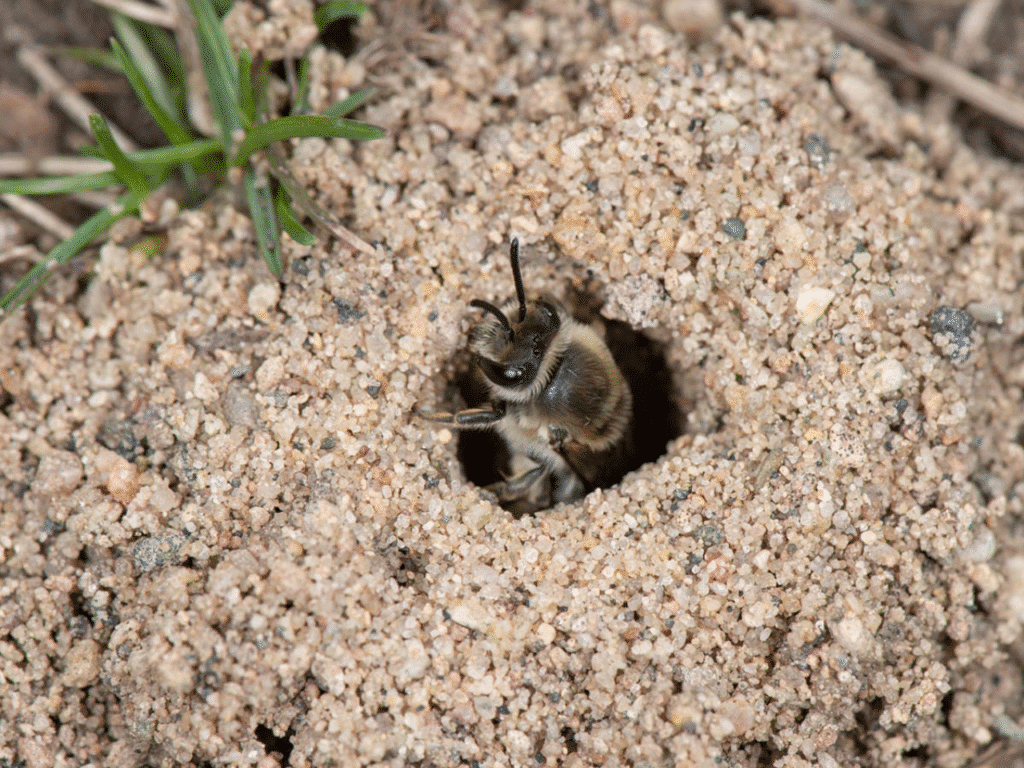
Here’s the bigger picture most social media threads miss:
The vast majority of Missouri’s pollinators and beneficial insects overwinter elsewhere, but they still need your garden.
- Ground-nesting bees (about 70%) tunnel into open, lightly mulched or bare soil, often in sunny, undisturbed patches.
- Stem-nesting bees (about 20%) use dry hollow stems and stalks of perennials and native grasses.
- Most butterflies, moths, beetles, and fireflies spend winter as eggs or pupae attached to stems, under loose bark, in grass clumps, or tucked beneath rocks and logs.
Very few insects rely solely on leaf litter, though the ones that do—like woolly bear caterpillars and some lightning bugs—certainly benefit from cozy, undisturbed leaves.
Habitat Diversity: Layer Up for More Life
Leaving the leaves is a wonderful step for wildlife, but your garden can do even more when you add other habitat features.

Think of your garden as a layered habitat, with each pollinator finding its preferred spot.
- Keep pockets of bare, loosened, and sunny soil for ground-nesting bees and bumble bee queens.
- Leave sturdy perennial stems and native grasses standing for stem-nesting bees and other beneficial insects. You’ll also enjoy a bonus: songbirds flocking to feed on the seed heads.
While covering your beds completely with leaves may sound ideal, a mix of habitats is even better. The more variety you offer, the more species you’ll support, and the more delightful discoveries you’ll find each spring.
Eco-Friendly and HOA-Approved: Garden Solutions That Work
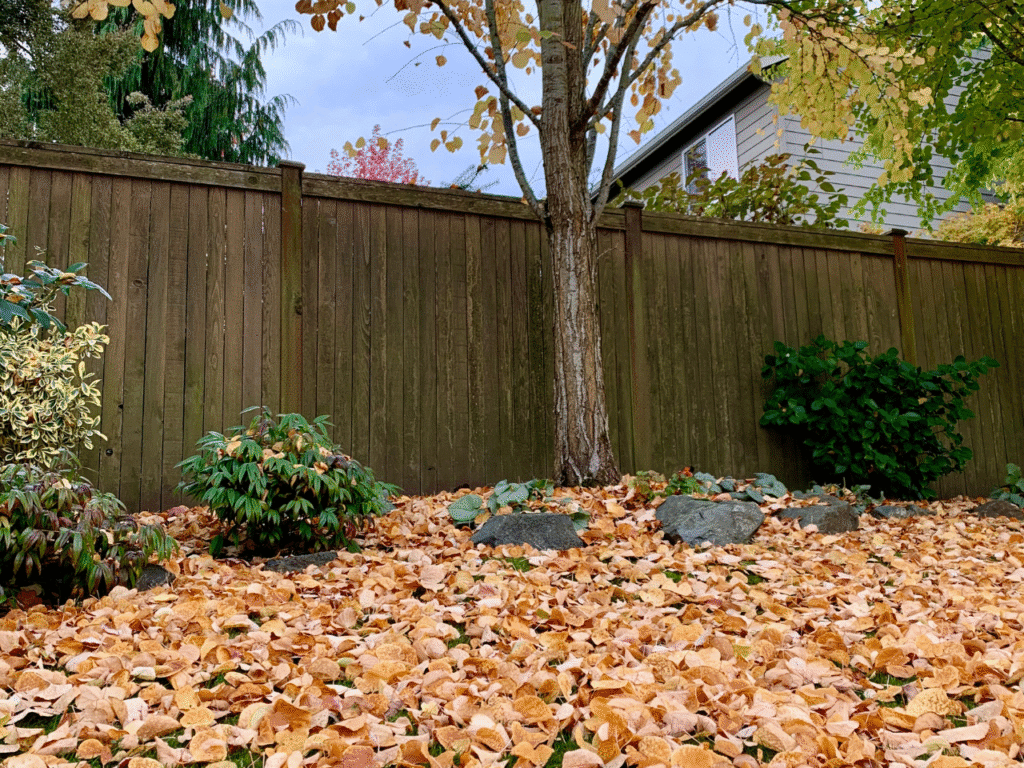
You shouldn’t have to sacrifice ecological stewardship for pesky HOAs. Here are some ways to stay both eco-friendly and tidy.
- Keep lawns clear, since dense leaves can smother grass.
- Compost or mulch the leaves to place in landscape beds or under trees.
- If you leave the leaves whole, hose them down once they’re in your landscape beds so they stay in place.
- Leave small pockets of leaves in back corners—out of sight, out of mind.
- Remove all but the sturdiest of perennials and native grasses.
- Avoid covering every inch of soil or mulch for ground-nesting bees; perfect for keeping your front landscape beds clean and HOA approved.
Superstar Native Plants and Grasses to Leave Standing
Just because a native plant is dormant in winter doesn’t mean its role for wildlife and pollinators is finished. In fact, your Missouri winter garden can continue to support beneficial insects, birds, and pollinators with winter habitat. By leaving these superstar native plants and grasses standing through the colder months, you’ll create a landscape that’s beautiful, resilient, and full of life, even when the season slows down.

Top Missouri native plants and grasses to leave for winter habitat:
- Beardtongue (Penstemon spp.)
- Black-Eyed Susan (Rudbeckia spp.)
- Blazing Star (Liatris spp.)
- Coneflower (Echinacea spp.)
- Goldenrod (Solidago spp.)
- Ironweed (Vernonia spp.)
- Joe-Pye Weed (Eutrochium spp.)
- Milkweed (Asclepias spp.)
- Native grasses: Little Bluestem (Schizachyrium), Indian Grass (Sorghastrum), Switchgrass (Panicum)
These sturdy stems, seedheads, and grasses provide ongoing shelter, food, and nesting sites for a wide variety of wildlife and pollinators all winter long.
Soil Health Benefits: What Leaves and Perennials Add
It all begins and ends with the soil. Decomposing leaves feed microbes, earthworms, and fungi, releasing nutrients such as nitrogen, phosphorus, and potassium. Leaf mulch boosts soil moisture retention, improves texture, helps regulate temperature, and reduces erosion. These benefits add up to healthier roots and a thriving garden when spring returns. Leaving stems and some bare patches ups your soil’s organic matter and enhances carbon storage, making your garden climate-smart too.
When to Do Spring Cleanup for Pollinators’ Safety
For best results, wait to clean up leaves and cut back perennials until daytime highs consistently stay above 50°F for at least a week. This gives overwintering pollinators time to safely emerge from their shelters in the stems, grasses, and leaf litter.

Embrace Purposeful Wildness for a Thriving Winter Garden
This fall and winter, choose to leave some stems standing, let pockets of leaves settle, and keep patches of sunny bare ground. By layering these habitats in your Missouri garden, you’ll give pollinators and wildlife a real boost and help build healthier soil. Embrace a little purposeful “wildness”: it’s the key to a thriving, sustainable landscape that rewards both the environment and your own gardening vision.
When spring arrives, watch for renewed life in your garden beds and appreciate the subtle impact your choices have made. Those “messier” spots aren’t just allowed; they’re essential. With thoughtful stewardship, you’ll nurture a garden that’s more beautiful, more resilient, and truly alive.